




The Benefits and Features of Metal Wine Corks: Why They’re Gaining Popularity in the Wine Industry
In recent years, wine enthusiasts and producers alike have seen a shift towards innovative wine closure solutions. Among these, metal wine corks are emerging as a modern and reliable option for sealing wine bottles. Whether you're a connoisseur of fine wines or a casual drinker, understanding the advantages of metal wine corks can help you make informed choices when it comes to storing and enjoying your favorite wines.
What Are Metal Wine Corks?
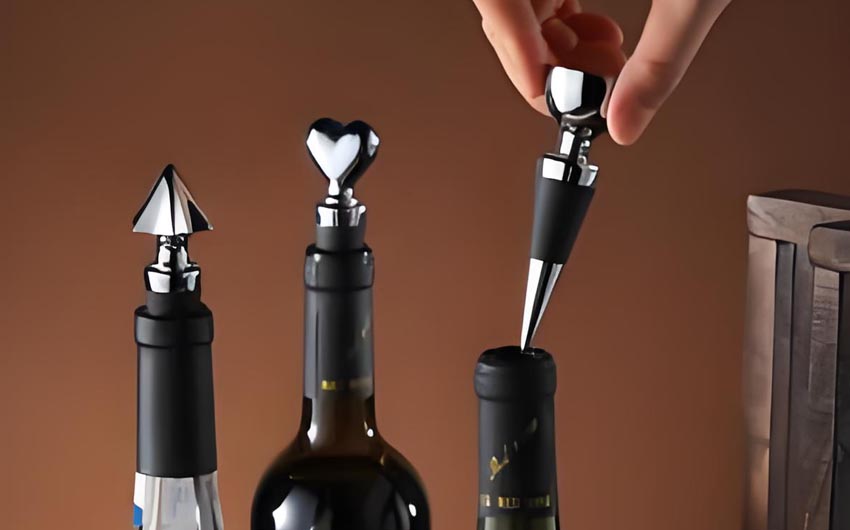
A metal wine cork is a closure made primarily from aluminum or other metal alloys, designed to seal the neck of a wine bottle. Unlike traditional corks, which are made from the bark of cork oak trees, metal corks are typically used for both still and sparkling wines. These metal closures are often lined with a plastic or rubber material to ensure an airtight seal, preventing oxidation and preserving the wine’s quality over time.
Advantages of Metal Wine Corks
1. Improved Sealing and Preservation
One of the biggest advantages of metal wine corks is their ability to provide a consistent, tight seal. Because metal doesn’t compress or deteriorate like natural cork, the closure creates a secure barrier against air, which helps prevent oxidation and spoilage. This ensures that the wine remains fresh for a longer period, making it an excellent choice for wines that need to be stored for extended periods.
2. No Cork Taint
Unlike natural cork, which can sometimes cause "cork taint" due to the presence of TCA (trichloroanisole), metal corks are completely free of this risk. This means that wine sealed with metal corks is less likely to develop unpleasant flavors, ensuring a more consistent drinking experience.
3. Sustainability
As the wine industry shifts towards more sustainable practices, metal wine corks are seen as a more eco-friendly option compared to traditional cork closures. Metal corks are often made from recyclable materials, and unlike natural cork, they don’t contribute to deforestation or the depletion of cork oak forests.
4. Modern and Aesthetic Appeal
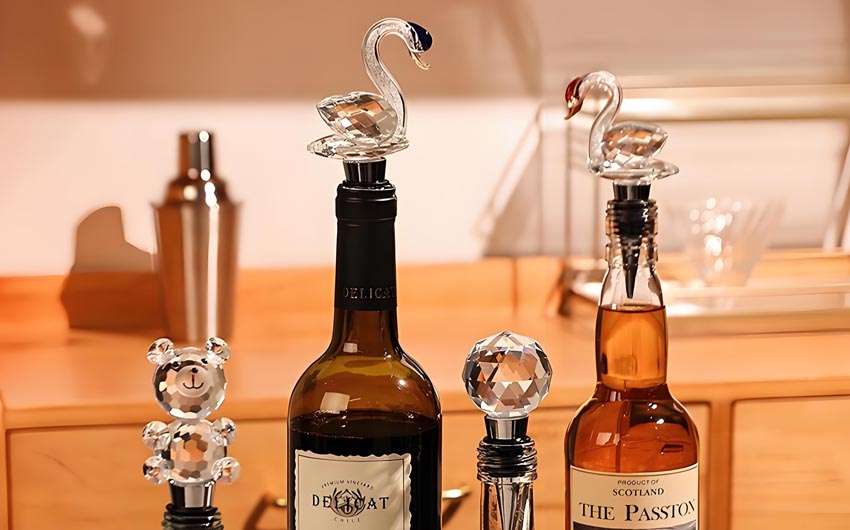
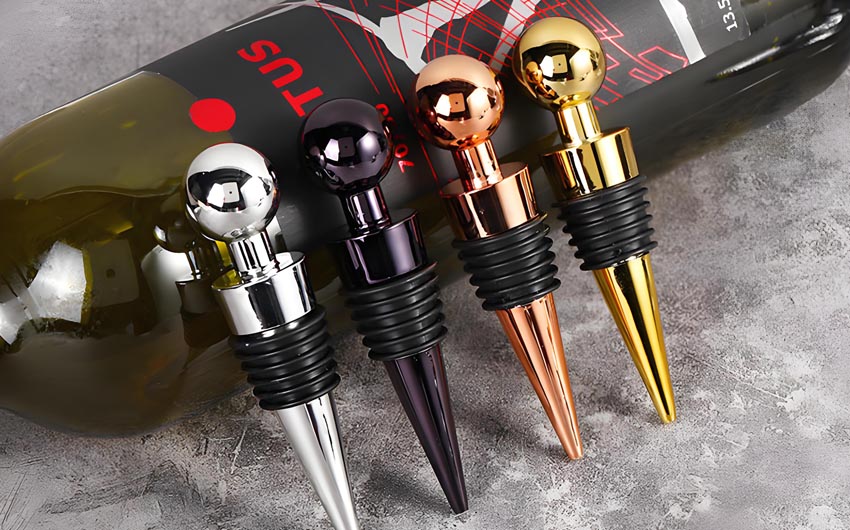
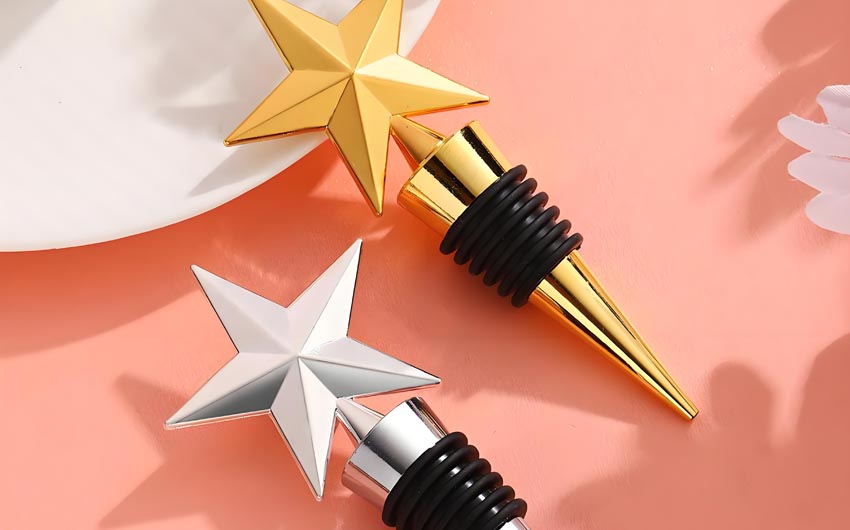
Metal wine corks also have a sleek, modern appearance that appeals to a more contemporary market. Their metallic sheen adds a premium touch to wine bottles, making them particularly popular for boutique wineries and high-end wines. The customizability of metal corks with branding or logos also makes them an excellent choice for special edition or promotional bottles.
5. Ease of Use
For both wine producers and consumers, metal corks are easier to handle compared to traditional corks. They do not require the same degree of skill or force to insert or remove, and they don’t tend to break apart like cork can. This convenience enhances the overall experience of opening a bottle of wine.
Disadvantages of Metal Wine Corks
Despite their growing popularity, metal wine corks do come with some considerations. Some wine enthusiasts argue that metal corks don’t allow for the same level of aging that natural corks provide. Traditional corks are slightly porous, allowing for a small amount of air exchange, which is believed to help wines develop and mature over time. With metal corks, the seal is virtually airtight, which may limit the wine’s ability to evolve in the bottle.
Additionally, the metallic appearance might not be suitable for every type of wine or winery branding. For some, the classic look of a traditional cork and wax seal is seen as more authentic or traditional, especially for fine wines that are meant to convey a sense of heritage and craftsmanship.
The Future of Metal Wine Corks
As more wineries experiment with alternative closures, it’s likely that metal wine corks will continue to grow in popularity. Many industry experts predict that they will become a more common sight on the shelves of wine shops worldwide, particularly for wines intended for mass production or short-term consumption. However, for wines that are intended for long-term aging or that are positioned as premium products, cork may remain the preferred option.
Metal wine corks represent a modern, efficient, and eco-friendly alternative to traditional wine closures. Their ability to provide a consistent seal, prevent oxidation, and eliminate the risk of cork taint makes them an appealing choice for both winemakers and wine lovers. While they may not replace cork entirely in every segment of the market, they are certainly a closure to watch as the wine industry continues to innovate.
As more wineries embrace the advantages of metal wine corks, it will be exciting to see how this trend shapes the future of wine packaging and preservation. Whether you're a casual wine drinker or a serious collector, it’s worth keeping an eye on this evolving industry development.
